Монтаж домашних кинотеатров: common mistakes that cost you money
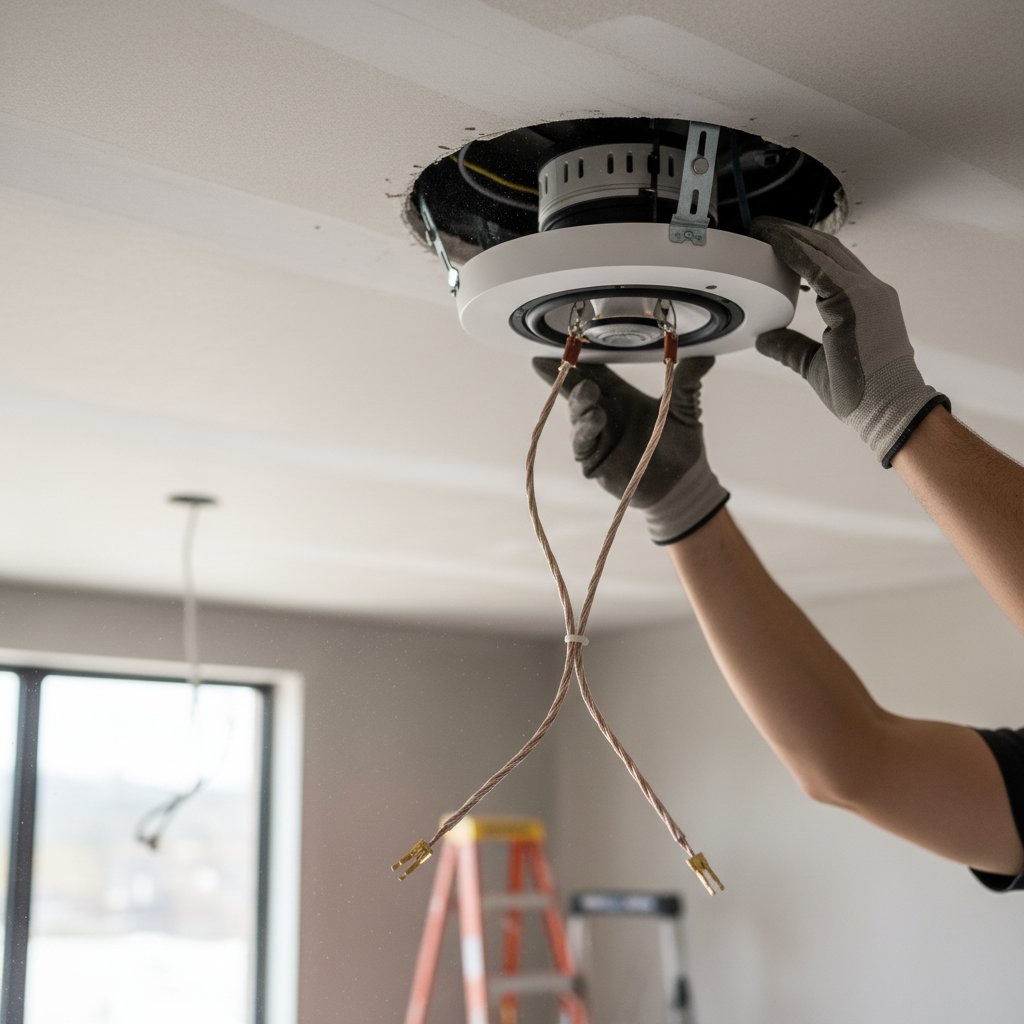
DIY vs. Professional Home Theater Installation: Where Your Money Actually Goes
You've dropped serious cash on that 4K projector and surround sound system. The boxes are sitting in your living room, and you're facing a choice: tackle the installation yourself or call in the pros. This isn't just about pride—it's about whether you'll spend $500 now or $2,000 fixing mistakes later.
I've seen both paths play out dozens of times. Sometimes the DIY route works brilliantly. Other times? Well, let's just say I once witnessed someone drill through their home's main water line while mounting a center channel speaker. That was a $3,400 Tuesday afternoon nobody wanted.
The DIY Route: Going It Alone
What Works in Your Favor
- Immediate savings of $800-2,500 on labor costs, depending on system complexity
- You learn exactly how everything connects, making future adjustments easier
- Work on your own timeline—no scheduling headaches or waiting for appointment slots
- Total control over cable routing and aesthetic choices without explaining your vision to someone else
- Satisfaction factor is real (when things go right)
Where It Goes Sideways
- Acoustic calibration mistakes that leave your $1,200 subwoofer sounding like a cardboard box—roughly 70% of DIY setups have suboptimal speaker placement
- Wire runs through walls without proper fire-rated conduit (hello, insurance headaches)
- Incorrect speaker impedance matching can fry your receiver—that's a $600-1,800 replacement
- Screen height miscalculations that give you neck pain during every movie night
- Missing the ideal 22-30 degree angle for surround speakers, killing the immersive effect you paid for
- Time investment: expect 20-40 hours for a full 7.2.4 Dolby Atmos setup if you're learning as you go
Professional Installation: Paying for Experience
What You're Actually Buying
- Acoustic analysis using $3,000+ measurement equipment you'll never own
- Proper wire gauge calculations that prevent voltage drop over long runs
- Building code compliance—critical if you're planning to sell within 5-7 years
- Warranty protection that often requires professional installation (Samsung and Sony both have this fine print)
- Hidden wire runs that actually stay hidden—no cable raceways destroying your aesthetic
- Calibration using reference-grade tools, not just the auto-setup wizard
- Completion in 1-2 days versus your multi-weekend saga
The Drawbacks
- Upfront cost of $1,200-4,500 depending on room size and system complexity
- Scheduling constraints—good installers book out 2-4 weeks in advance during peak season
- You're trusting someone else's aesthetic judgment for visible elements
- Potential upselling on accessories and cables you might not need
- Less intimate knowledge of your own system for troubleshooting
Head-to-Head Breakdown
| Factor | DIY Installation | Professional Installation |
|---|---|---|
| Initial Cost | $100-300 (tools/materials) | $1,200-4,500 |
| Time Investment | 20-40 hours | 8-16 hours (your presence) |
| Risk of Damage | Moderate to high | Low (insured) |
| Sound Quality Result | 60-80% of potential | 85-98% of potential |
| Code Compliance | Often missed | Guaranteed |
| Warranty Protection | May be voided | Maintained |
| Future Resale Value | No documentation | Certified install adds value |
The Real Answer Nobody Wants to Hear
Here's what actually makes sense: hybrid approach.
For a basic 5.1 setup in a dedicated room with straightforward wall mounting? DIY saves you money without much risk. Watch some quality YouTube tutorials, buy a stud finder that doesn't suck, and take your time. You'll probably land at 75% of professional quality for a fraction of the cost.
But if you're installing in-ceiling Atmos speakers, running wires through multiple rooms, or working with equipment totaling over $8,000? Professional installation isn't an expense—it's insurance. The 15-20% performance improvement alone justifies the cost when you've invested that much in gear.
The biggest money-waster isn't choosing wrong—it's starting DIY, screwing up something expensive, then calling professionals to fix your mistakes. That scenario costs 40-60% more than just hiring pros from the start.
My rule of thumb: if your equipment cost exceeds $5,000 or you're doing anything permanent in walls/ceilings, bring in someone who's made all the mistakes already—on someone else's dime.