Why most Монтаж домашних кинотеатров projects fail (and how yours won't)
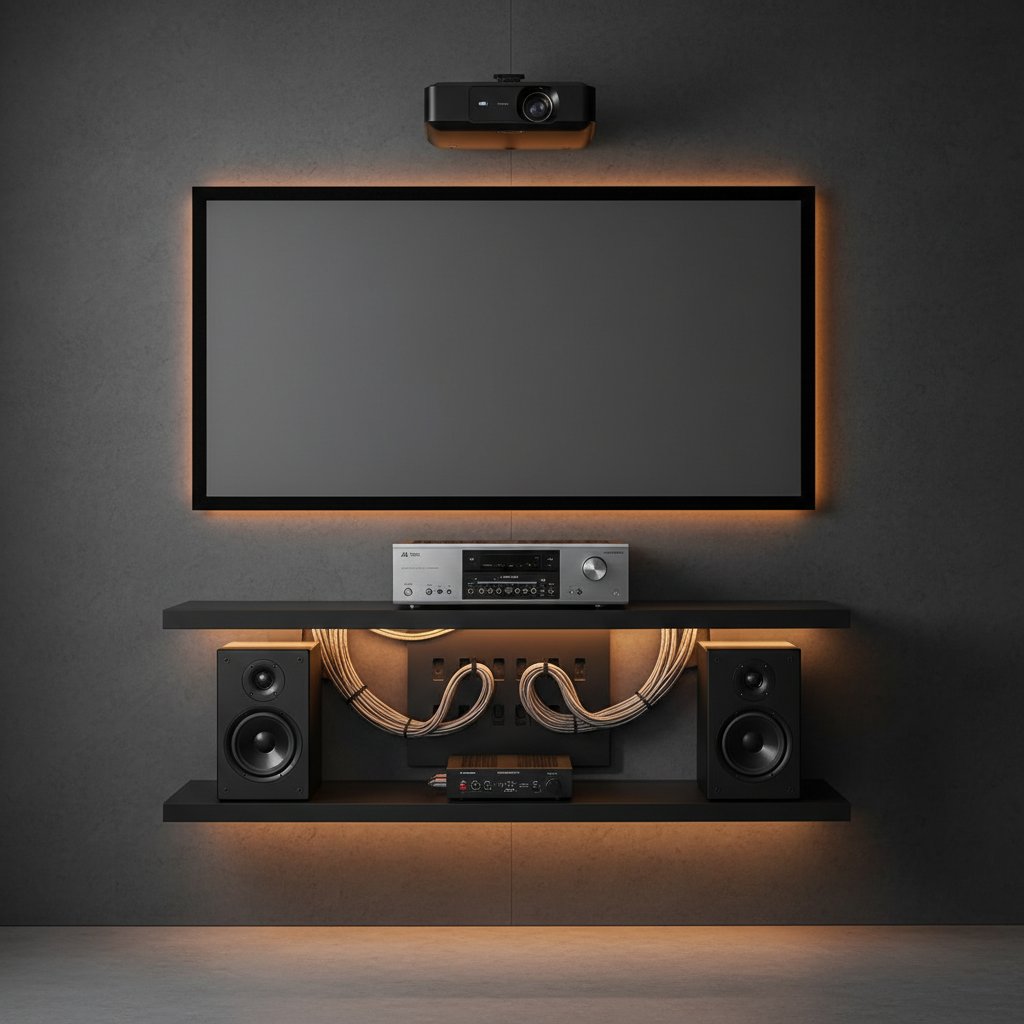
The $15,000 Mistake Nobody Talks About
Picture this: You've just dropped twelve grand on a home theater system that should make your neighbors weep with envy. The boxes arrive. Installation day comes. Three months later, you're still watching Netflix on your old TV because the new setup is gathering dust in your garage.
Sound familiar? You're not alone. Industry data shows that roughly 40% of home theater installations never get completed, and another 25% end up significantly underused within the first year. That's a staggering 65% failure rate for projects that typically cost between $8,000 and $50,000.
So what's going wrong?
The Three Silent Killers
Planning Without Actually Planning
Most people start browsing equipment before they've measured their room. They fall in love with a 120-inch screen without checking if their ceiling height can accommodate it (spoiler: you need at least 9 feet for comfortable viewing). They buy a 7.2.4 Dolby Atmos system for a room that's 12x14 feet—which is like putting racing tires on a golf cart.
Here's the thing: your room dictates everything. Not your budget. Not the latest tech review you read. The actual physical space you're working with.
The DIY Trap
YouTube makes running speaker wire through walls look easy. It's not. A professional installer knows that studs aren't always 16 inches apart, that some walls contain surprise fire blocks, and that your "simple" cable run might intersect with electrical wiring that'll create a buzz in your speakers.
I've seen people spend 40 hours trying to calibrate a system that a pro could dial in within 90 minutes. Time has value. So does your sanity.
The Compatibility Nightmare
You bought components from four different manufacturers because each one had the "best" rating in its category. Now nothing talks to each other properly. Your universal remote needs a PhD to program. The subwoofer has a weird hum that shouldn't be there.
Equipment compatibility issues account for 30% of failed installations. That's thousands of dollars in returns, restocking fees, and frustration.
Red Flags You're Heading for Disaster
If any of these sound familiar, pump the brakes:
- You've bought equipment before finalizing your room layout
- Your project timeline is "whenever I get around to it"
- You're mixing budget and premium components hoping they'll play nice
- Nobody on your team has experience with acoustic treatment
- You think soundproofing and acoustic treatment are the same thing (they're not)
- Your seating arrangement is an afterthought
The Blueprint That Actually Works
Step 1: Design Before Dollars (Week 1-2)
Grab a tape measure. Document everything: ceiling height, wall dimensions, door locations, windows, HVAC vents. Take photos. Map out where people will actually sit—not where you think they might sit someday.
Use the industry standard: your screen width should be about 30% of your viewing distance. Sitting 10 feet away? You want roughly a 100-inch diagonal screen. Closer than that and you'll see pixels. Further and you lose immersion.
Step 2: Budget Backwards (Week 2-3)
Start with your total budget, then allocate: 40% for display and speakers, 20% for electronics (receiver, players, etc.), 20% for installation and calibration, 20% for seating and acoustic treatment.
Yes, you need to budget for acoustic treatment. Those $3,000 speakers will sound like $300 speakers in a room with hard floors, bare walls, and lots of glass.
Step 3: Pick an Ecosystem (Week 3-4)
Choose brands that work together. If you're going with a Denon receiver, their integration with certain speaker brands is seamless. Same with Yamaha, Anthem, or Marantz. This isn't about brand loyalty—it's about reducing variables that cause headaches.
Step 4: Hire for the Complex Stuff (Week 4-6)
Running wire? You can probably handle that if you're handy. Calibrating a Dolby Atmos system with room correction software? That's worth the $500-800 for a professional. They'll bring measurement microphones and analysis software you don't own.
Step 5: Test Before You Finish (Week 6-7)
Don't mount that TV permanently until you've tested it. Don't seal up walls until you've verified every speaker works. Run test content at various volumes. Check for buzzes, rattles, and interference.
Keeping It Running
Set a calendar reminder every six months to check connections, update firmware, and clean equipment. Dust kills electronics faster than anything else.
Document your settings. Take photos of your receiver configuration. When something goes wrong (and eventually something will), you'll thank yourself for having a baseline to return to.
Your home theater should bring joy, not regret. Follow this roadmap, respect the process, and you'll be the one everyone wants to visit on movie night—not the cautionary tale at the home improvement store.